
Preventing Falls Before They Happen at Home
Falls at home are among the most common causes of injuries, especially among older adults. Every year, millions of individuals experience falls that lead to serious injuries, hospitalizations, and in some cases, a loss of independence. The good news is that many of these falls are preventable through simple, proactive steps that homeowners can implement to create a safer living environment.
Preventing falls before they happen is not just about avoiding accidents; it’s about maintaining quality of life and independence. By understanding the common hazards and taking targeted measures, homeowners can significantly reduce the risk of falls and foster a wiser, safer space for themselves and loved ones. Let’s explore practical strategies you can use to make your home a fall-proof zone.
Understanding the Risks of Falling at Home
The Impact of Falls on Health and Independence
Falls are a leading cause of injury across all age groups but pose particular danger to older adults. According to the Centers for Disease Control and Prevention (CDC), one out of every four older adults falls each year, with many resulting in broken bones, head injuries, or hospital stays. These incidents often lead to a loss of confidence, reduced activity, and diminished independence.
Understanding why falls happen helps in designing effective prevention strategies. Common causes include environmental hazards, health conditions affecting balance and strength, or medication side effects that cause dizziness. Recognizing these factors enables homeowners to address issues proactively before accidents occur.
Assessing and Addressing Common Home Hazards
Identifying Key Risks in Your Living Space
First, walk through your home with a critical eye. Look for physical hazards that could cause falls. Common issues include scattered clutter, loose rugs, poor lighting, and uneven surfaces. Small changes can make a big difference.
- Clutter and Obstructions: Keep walkways clear of unnecessary furniture, boxes, and cords.
- Loose Rugs and Carpets: Secure or remove area rugs to prevent slipping.
- Poor Lighting: Ensure all areas, especially stairs and hallways, are well-lit.
- Uneven Flooring: Repair cracked tiles or uneven steps to create a level surface.
Regularly inspecting your home and making these adjustments can substantially decrease fall risks. For more insights on creating a safe environment, consider reading detailed expert advice in trusted safety resources.
Installing Safety Features to Reduce Fall Risks
Practical Home Modifications for Fall Prevention
Upgrading your home with safety features can help prevent falls significantly. Here are essential modifications:
- Grab Bars and Handrails: Install them in bathrooms near showers, tubs, and toilets. In stairwells, add sturdy handrails on both sides.
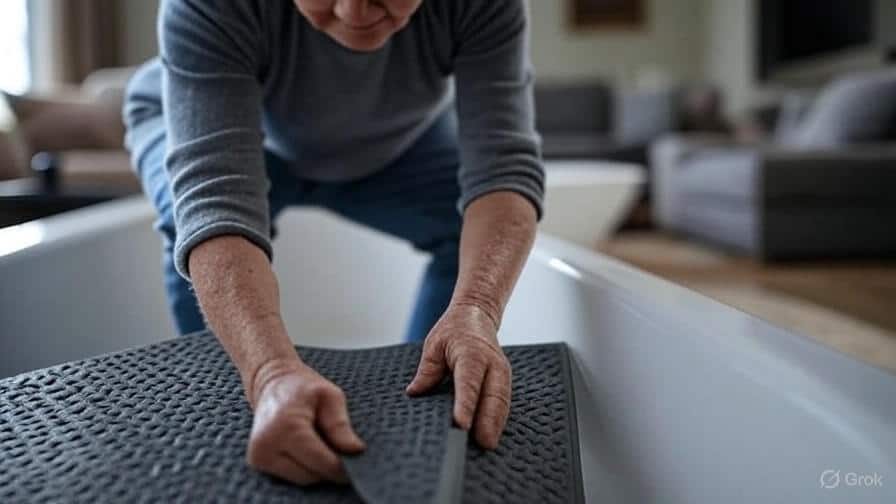
- Non-Slip Flooring: Choose slip-resistant tiles or add non-slip mats in bathrooms and kitchens.
- Staircase Safety: Ensure stairs are well-lit, with sturdy handrails and even steps.
- Accessible Bathroom Features: Consider walk-in showers without steps and raised toilet seats for ease of use.
Investing in these simple modifications can provide confidence while moving around your home, especially for those with mobility issues.
Importance of Proper Lighting and Clear Pathways
Techniques for Effective Illumination</h
Lighting plays a crucial role in preventing falls. Poorly lit environments increase the likelihood of tripping over unseen hazards. To improve visibility:
- Use bright, energy-efficient bulbs in all rooms, especially in hallways, staircases, and entryways.
- Install night lights in bathrooms, bedrooms, and corridors.
- Ensure switches are easily accessible, ideally near entrances and bedside areas.
Coupled with the removal of clutter and the use of contrasting colors to define steps and edges, proper lighting creates a safer living space. Highlighting stair edges or floor transitions with special tape or paint can greatly reduce missteps.
Enhancing Balance and Strength Through Exercise
Benefits of Regular Physical Activity
While environmental modifications are vital, maintaining physical strength and good balance can directly influence fall risk. Engaging in targeted exercises like walking, tai chi, or balance training improves muscle strength and coordination.
According to experts, even moderate activity three times a week can reduce fall risk among seniors by up to 40%. Incorporating simple routines such as leg lifts, heel-to-toe walks, and gentle stretching can make a significant difference over time.
Consulting Professionals for Personalized Safety Plans
When to Seek Expert Advice
If you or a loved one have specific health conditions affecting mobility or balance, consulting healthcare providers is essential. Physical therapists and occupational therapists can assess individual risks and tailor safety plans accordingly.
They may recommend exercises, medical treatments, or assistive devices such as walkers or grab bars suited to personal needs. Regular check-ins after safety modifications ensure continued effectiveness and address any emerging risks.
The Role of Education and Routine Safety Checks
Finally, ongoing education about fall prevention and routine safety inspections can help maintain a safe environment. Encourage family members and caregivers to stay informed about common hazards and best practices.
- Review the home environment periodically for new hazards or wear and tear.
- Stay updated on safety products and innovations that enhance mobility and stability.
- Promote a culture of safety, emphasizing careful habits like proper footwear and cautious movements.
Being proactive and staying vigilant can significantly reduce the likelihood of falls, preserving independence and improving quality of life.
Conclusion
Preventing falls at home starts with more than just knowing the risks; it demands action to spot dangers and fix them. Adding grab bars, turning on bright lights, or staying active makes a big difference in keeping your space safe. Studies show that homes with simple safety upgrades cut fall accidents by up to 40 percent. Imagine turning your home into a strong fortress where slips don’t stand a chance. This is perfect for anyone wanting peace of mind and a safer place to live. Keep reading to discover how small changes lead to big safety wins.
The effort to make your home fall-proof can bring peace of mind, allowing you or your loved ones to enjoy daily activities with confidence. Safeguarding your living space is a worthwhile investment that supports independence and promotes well-being. Start by assessing your home today and take small, manageable steps toward a safer living environment.
If you seek further guidance on protecting loved ones from falls and ensuring a safe home environment, following trusted advice from sources like Upscale Living and engaging professionals can provide invaluable support. Small changes today can prevent serious injuries tomorrow, making every step safer and more secure.


